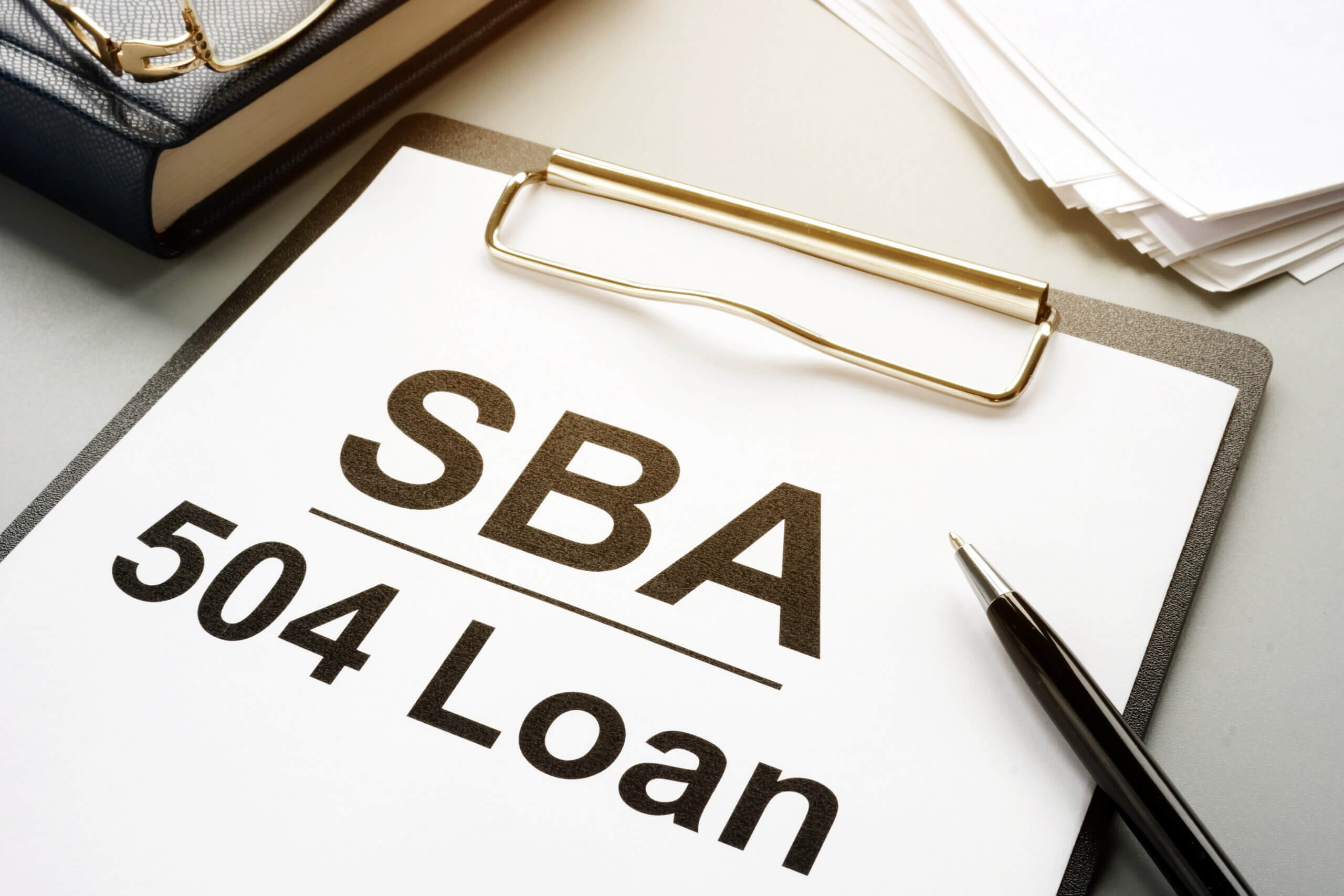
Most business owners have heard of the SBA 504 loan the way most people have heard of Iceland: They know it exists, they hear it is great, and they assume it is for someone else. And even owners who used a 504 to buy their building often do not know the program’s best-kept secret: You can use it to refinance commercial debt you already carry.
That is worth repeating, because it changes the math for a lot of companies. If you own your commercial property and you are sitting on a mortgage with a balloon coming due, an adjustable rate that adjusted in the wrong direction, or simply terms that made sense in a different market, the 504 refinance may be the most useful tool you have never been told about.
A 60-second refresher on how the 504 works
The SBA 504 program finances owner-occupied commercial real estate through a three-part structure: A conventional first mortgage from a lender (typically around 50 percent of the project), a second mortgage from a Certified Development Company backed by the SBA (typically up to 40 percent), and the borrower’s equity making up the remainder, often as little as 10 percent. The result is long-term, largely fixed-rate financing designed for businesses that occupy their real estate.
The refinance version applies that same structure to debt you already have. Instead of financing a purchase, the proceeds pay off qualifying existing commercial mortgages, and in certain cases can also cover eligible business expenses.
Who the 504 refinance is actually for
In broad strokes, the program fits a business that:
Occupies its commercial property (generally 51 percent or more of the space), operates as a for-profit company within SBA size standards, has existing commercial mortgage debt that is seasoned (the debt generally must have been in place for a period before refinancing), and has a history of timely payments on that debt.
The classic profile is the established owner-occupant: The manufacturer, the medical practice, the logistics company, the hospitality operator who bought their property years ago with whatever financing was available at the time and has been quietly outgrowing those terms ever since.
Why owners refinance into a 504
To retire a balloon on your schedule, not the bank’s. Many conventional commercial loans carry 5 or 10 year balloons. Each maturity forces a renegotiation in whatever market happens to exist that year. Refinancing into the 504 structure trades that recurring cliffhanger for long-term stability, so the next rate conversation happens when you choose to have one.
To fix what floats. If part of your current debt is adjustable, the 504’s long-term fixed-rate component brings predictability to the single largest line item on your balance sheet after payroll. Predictable occupancy cost is not exciting. It is better than exciting. It is plannable.
To improve cash flow. Longer amortization and competitive fixed pricing on the CDC portion frequently reduce the monthly payment relative to shorter-term conventional debt. That freed-up cash flow goes back into the business, which is precisely what the program was built to encourage.
To consolidate. Businesses sometimes accumulate layered property debt over the years: An original mortgage here, a later lien there. A 504 refinance can clean the stack into one coherent structure with more reasonable rates and leverage..
What the process looks like with a direct lender
The 504 is a partnership between a private lender (funding the first mortgage) and a CDC (handling the SBA second). The moving parts are real, which is why 504 experience matters more here than in almost any other loan type. BLC has spent years closing 504 transactions efficiently, including for the special use properties that make generalist lenders nervous: Hotels, gas stations, car washes, self storage, assisted living.
Common misconceptions, corrected
“The 504 is only for buying property.” No. The refinance program exists specifically for existing debt, and it has become a permanent part of the SBA toolkit.
“My property type will not qualify.” Special use properties are eligible, and they are a BLC specialty. The property being unusual is a reason to call, not a reason to assume.
“SBA loans take forever, so why bother.” The process has more steps than a conventional refinance, but with an experienced lender coordinating with strong CDC relationships,, the calendar is manageable.
Frequently asked questions
What size loans does BLC handle under the 504 program?
Our SBA 504 lending covers transactions from $4 million to $ 20 million for properties that are 51 percent or more business occupied.
Can I get cash out in a 504 refinance?
In certain cases, eligible business operating expenses can be included in a 504 refinance. Whether that fits your transaction depends on current program rules and your specifics, which is exactly what an initial conversation sorts out.
How do I know if my existing debt qualifies?
The core tests involve how the original debt was used (substantially for eligible fixed assets), how long it has been in place, and your payment history. Bring your current loan details, and we can walk the eligibility together.
The bottom line
If you own the building your business runs in, the debt on that building deserves the same scrutiny you give every other cost. The SBA 504 refinance exists to move owner-occupants out of expiring, adjustable, or simply outdated financing and into the long-term structure the program was designed to provide. The building already works for your business. The financing should too.
Curious whether your current mortgage qualifies? Visit our SBA 504 program page or contact BLC for a no-application-fee review of your refinance scenario.